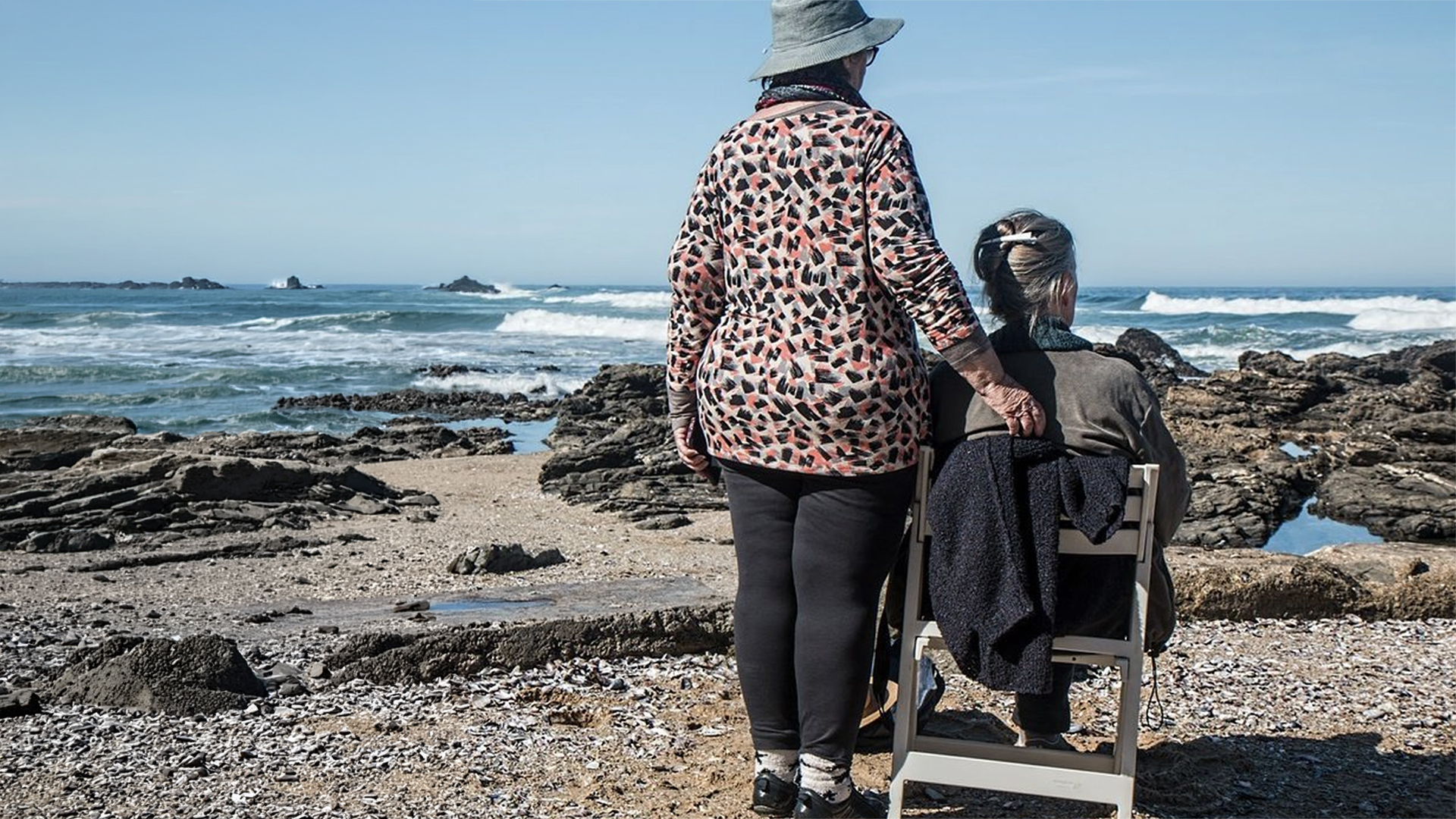
When a client is approaching the end of their life, you may feel a strong desire to help, alongside uncertainty about what that help should look like.
The person may be experiencing significant physical, emotional and spiritual changes. Their body knows how to prepare for death – this is a natural process of slowing and shutting down.
Moving from treating to supporting
As therapists, this is where we need to change our mindset from fixing or treating to supporting.
We can not and should not try to stop or slow the process. Death is coming, we are not trying to reverse or mend this, nothing needs fixing – this time has passed. Instead what we can offer is to gently support the process and bring more ease to this time.
Understanding the process that a body goes through and the stages that we are likely to observe with our clients is important. Death has a pattern, just as birth does. Death is often hidden away and so when we are confronted with it, it can be challenging for us as family members, therapists and just as humans! The more we know, the more we understand that this is a natural process, the easier it becomes to witness.
Adapting your work as the body changes
In the earlier stages, when frailty may become an issue but the person is still able to come to your clinic, treatments can be shortened and simplified. Too much work can over-stretch a tiring body.
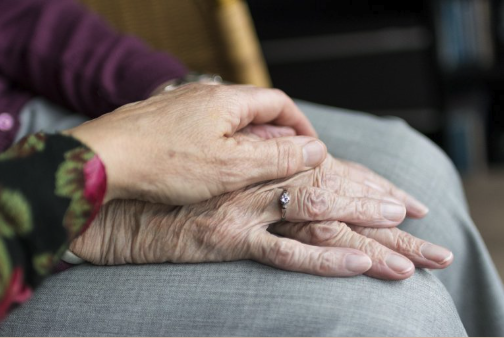
As we get closer to death, the way the body slows is very similar, whether from illness or old age. The person may experience digestive issues and nausea as the body finds it harder to process food. Circulation can slow, oedema is common, breathing can become more challenging. What we can offer in the way of support is so dependent on the stage the person is at, what symptoms they are experiencing and how they feel emotionally and spiritually. Frail bed bound bodies may need supporting and moves adapted to their position.
Emotional support is as important here as physical. Fear, anxiety and grief are likely to be swirling around and can be overwhelming, so soothing touch can be really helpful at this stage.
Consent becomes even more important
It is also important to remember that the senses can change. Along with changes in taste, sight and smell, the sense of touch can change. People who have always enjoyed touch can now find it irritating and uncomfortable, so it is important to seek consent regularly, really focus on response and check in to see how touch feels. Listening, with ears and hands is so important, particularly if the person is struggling with communication.
When less is more
If ever there was a time when less is more, it is during the dying process. I have used just diaphragm moves to ease laboured breathing, alongside guided breathing and visualisations. Slowing your breath and co regulating is really helpful.
Systemic calming moves, such as the kidney move, to bring ease to stressed adrenal systems can be very helpful and it is also good to offer this to the family and friends supporting too – this is a challenging time for those around the dying person. Easing indigestion and nausea with digestive/ diaphragm moves can bring more comfort, and also understanding that the body knows when to stop eating and drinking.
Often just gentle touch is all that is needed – a soothing hand on their shoulder, stroking their forehead, gently massaging feet – it is time to forget the list of protocols and tune in to what the dying body is saying. Go slow, do little, keep your tone calm and reassuring, but mostly just listen and be alongside. Presence is often all that is needed – this is much more a time for being, rather than doing.
Feel more prepared to support someone at the end of life
Supporting someone who is dying can feel daunting, even when you are an experienced therapist.
The Tender Loving Care workshop offers a warm and practical introduction to end-of-life support. During the day, you will explore the stages of dying, ways to offer comfort, how to hold a loving vigil and how to approach tender conversations with greater confidence and sensitivity.
You will learn how simple acts of care can make this time gentler for the dying person, their family and everyone walking alongside them.
Or, if you already know you want to join us, pick a date that works for you from the below.