
TMD in Practice
Develop your skills in assessing and working with temporomandibular disorders
TMD in Practice is a two-day, hands-on course with experienced physiotherapist and Bowen practitioner Ana Krajnc, exploring the anatomy and function of the temporomandibular joint (TMJ) and the wider relationships between the jaw, muscles, fascia, breathing and movement.
Combining physiotherapy, manual therapy, myofunctional and breathing perspectives, with Bowen Therapy at the centre of its hands-on approach, this course will help you develop your assessment skills, clinical reasoning and understanding of different treatment options.

Understanding TMD: Looking beyond the jaw
The temporomandibular joint plays an important role in everyday functions such as chewing, speaking and swallowing. But understanding problems affecting the jaw involves more than looking at the joint alone.
The TMJ is connected with a complex network of muscles, fascia, nerves and surrounding structures. Jaw function can also be considered in relation to breathing patterns, oral function and wider movement throughout the body.
During this course, you’ll explore these relationships in depth, developing your understanding of different temporomandibular disorders, their symptoms and their possible contributing factors.
You’ll examine how the jaw works, how to recognise different patterns of dysfunction, and how assessment findings can guide your choice of therapeutic approach.
The emphasis throughout is on bringing anatomical knowledge into practical clinical work.
What will you learn?
Over two days, you’ll develop your understanding and practical skills across several key areas.
TMJ anatomy and function
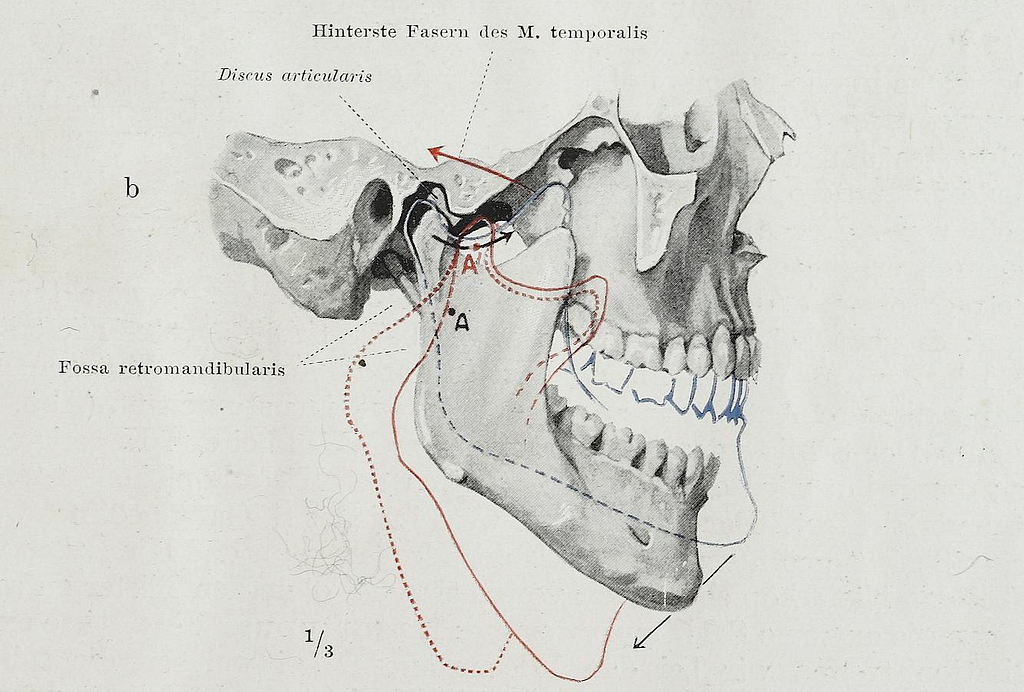
Explore the detailed anatomy of the temporomandibular joint and orofacial complex, including the muscles, fascia, nerves and craniofacial structures involved in jaw movement. You’ll also look at dental terminology, different types of occlusion (how the upper and lower teeth meet), and the functional patterns that contribute to normal jaw movement.
Recognising and assessing TMD
Develop a more systematic approach to assessing the TMJ and recognising different categories of temporomandibular disorders. You’ll explore common symptoms and dysfunctions, practical examination techniques, joint movement measurements and muscle testing, alongside the importance of selecting appropriate treatment approaches.
Fascial connections and the wider body
Examine the fascial chains associated with the TMJ and their relationships with other structures. Through palpation and practical assessment, you’ll learn to identify relevant muscles and fascial pathways, explore their movement and consider how they may contribute to jaw function.
Practical manual therapy approaches
Explore different techniques for working with the jaw and surrounding tissues, including:
- Bowen Therapy procedures and their application to different TMD presentations
- Manual therapy techniques for the orofacial muscles
- Trigger point techniques
- Fascial manipulation
- TMJ mobilisation
- Practical assessment and muscle testing
You’ll consider how these techniques can be selected and combined according to the individual client’s presentation and your professional scope of practice.
Breathing and myofunctional approaches
Explore the relationship between jaw function, breathing and orofacial movement patterns. You’ll be introduced to basic myofunctional assessment and exercises, alongside breathing assessment and selected exercises drawn from the Buteyko approach.
Imaging and clinical observation
You’ll also observe demonstrations involving ultrasound scanning and the interpretation of TMJ imaging, including X-rays, alongside a demonstration of dry needling. These sessions introduce additional ways of observing and understanding the structures involved in jaw function, complementing the course’s practical assessment work.
Put your learning into practice
This is an interactive course with a strong emphasis on practical application. Alongside focused teaching and clinical discussions, you’ll work with fellow participants to explore the anatomy, palpate relevant structures, assess jaw movement and practise therapeutic techniques.
Practical sessions include:
-
Palpation of the orofacial muscles and surrounding structures
-
TMJ assessment and movement measurements
-
Assessment of relevant fascial chains
-
Functional movement and breathing assessment
-
Manual therapy and Bowen techniques
-
Clinical discussion and application of assessment findings
The aim is to develop not only your practical skills, but also your confidence in understanding what you are assessing, why it matters and how it can inform your approach to treatment.
Important information about practical participation
The course involves supervised hands-on practice with fellow participants, including intraoral examination and treatment techniques. Participants should be prepared to take part in practical assessment and treatment exercises, with appropriate consent, hygiene and professional boundaries.
Who is this course for?
TMD in Practice is designed for qualified healthcare and bodywork professionals looking to develop their knowledge and practical skills in temporomandibular disorders.
The course is particularly relevant to:
-
Qualified Bowen therapists
-
Physiotherapists
-
Occupational therapists
Whether you’re looking to deepen your understanding of the TMJ, develop your assessment skills or explore how different therapeutic approaches can complement your existing work, this course offers an opportunity to learn through detailed teaching and practical experience.
Previous experience in anatomy and hands-on therapeutic work is expected.
Course Structure & Dates
[ADD UK VENUE] | [ADD DATES] | 9:30am – 5:30pm daily
Two days: 12 hours of theory and 12 hours of hands-on practical work.
Day One: Anatomy, assessment and fascial chains
TMJ anatomy (muscles, fascia and nerves), craniofacial anatomy, occlusion types and healthy orofacial patterns, and TMD classification and symptoms. In the afternoon: hands-on palpation of orofacial structures and the fascial chains connected to the TMJ, ultrasound scanning observation, and the first part of TMD assessment.
Day Two: Breathing, categories and treatment
The importance of breathing, including snoring, sleep apnoea and stress-related issues. The second part of TMD assessment, TMD categories and muscle testing, then hands-on treatment: trigger point therapy, muscle and fascia techniques, Bowen moves for TMD, TMJ mobilisation, and basic myofunctional and breathing exercises. Includes demonstrations of dry needling and ultrasound scanning, and finishes with red flags and Q&A.

Meet your tutor: Ana Krajnc
Ana Krajnc
Ana Krajnc is an experienced physiotherapist and Bowen practitioner based in Slovenia. She has worked in physiotherapy since 2007, with professional experience spanning public healthcare and private practice.
Specialising in orthopaedic and manual therapy, Ana has worked with clients presenting with temporomandibular disorders in her clinic for approximately ten years.
Her extensive professional training includes Bowen Therapy, orthopaedic medicine, myofunctional therapy, Biodynamic Craniosacral Therapy, Applied Kinesiology and Buteyko breathing techniques.
Ana brings these different perspectives together in her teaching, combining detailed anatomical knowledge with practical assessment, clinical reasoning and hands-on therapeutic techniques.
Her approach encourages practitioners to develop a broader understanding of jaw function and the relationships between the TMJ and the wider body.
Deepen your understanding of the TMJ
Develop your knowledge of temporomandibular disorders through two days of detailed anatomical teaching, practical assessment and hands-on learning.
Working with Ana Krajnc and fellow practitioners, you’ll explore the jaw from several therapeutic perspectives and consider how these approaches can inform your own clinical practice.
Questions about the course or whether it’s suitable for your professional background? Please contact the Bowen College UK team.
How Pricing Works
[ADD PRICE AND DEPOSIT DETAILS]
- Early Bird deadline: [ADD DATE]
- Deposit: [ADD AMOUNT]
- Balance due: before course start
- Accommodation: booked and paid for separately